
Where do you come from?
Every family has a history.
What is yours?
Small opportunities are often the beginning of great enterprises.
-Demosthenes


Genealogy Records Are Clues, Not Final Answers
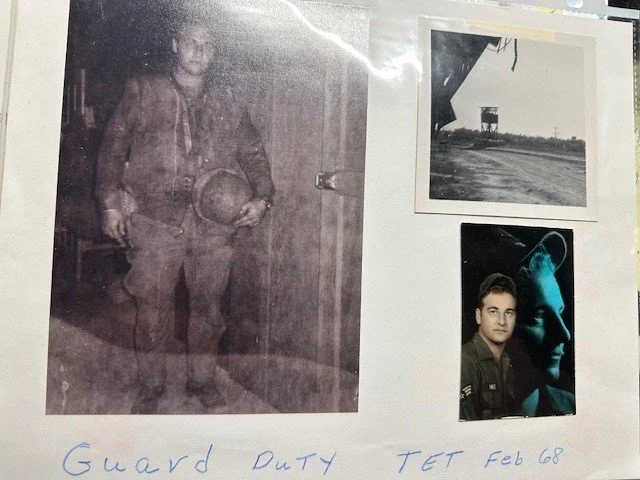
Before a name becomes part of your family tree, it usually appears somewhere else first: on a census page, a marriage license, a military file, a land deed, or a death certificate completed by someone who knew only part of the story. At first glance, these records can feel cold and factual: just names, dates, places, and boxes checked by hand. Look closer, though, and every record holds questions: Who supplied the information? Why was it recorded? What was left out? And what can it reveal about a life that deserves to be remembered?

Start with Yourself
Discovering your family's history can often feel overwhelming, especially with the vast number of resources available today. However, there’s a simple yet effective principle that can transform your genealogical research: start with yourself and work backward. In this post, we’ll explore why this method is so important, how to implement it effectively, and the common pitfalls to avoid as you embark on your family history journey.

Part 2: Making Records Talk: A Fun Guide to Evidence Analysis and Correlation in Genealogy
Finding records is exciting, but the real magic happens when you figure out what those records are actually telling you. In genealogy, names and dates are just the beginning, your job is to turn scattered clues into a story that makes sense.
Get in Touch
Whether you have a question, an idea, or just want to say hello, feel free to reach out—we’re here to help.